

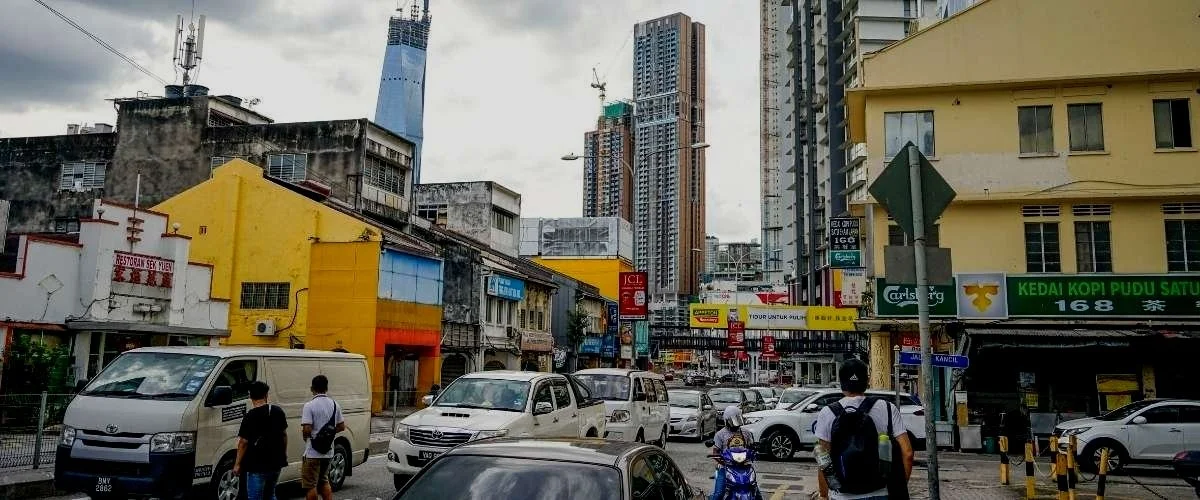
Pudu’s Hidden Gems: A Food Lover’s Paradise Awaits!
Step into the bustling streets of Pudu, and you’ll find yourself in a culinary wonderland where every corner tells a delicious story. From sizzling woks to smoky grills, this vibrant Kuala Lumpur neighborhood is a treasure trove of mouthwatering flavors just waiting to be discovered. Whether you're craving the comforting warmth of a bowl of *wonton mee* or the fiery kick of *Hakka noodles*, Pudu’s best dishes promise an unforgettable feast for your taste buds.
But what makes Pudu truly special isn’t just the food—it’s the passion behind it. Generations of hawkers have perfected their recipes, turning humble street stalls into legendary must-visit spots. Join me as we dive into Pudu’s top eats, where every bite is a celebration of tradition, innovation, and pure Malaysian deliciousness. Get ready—your ultimate food adventure starts here!
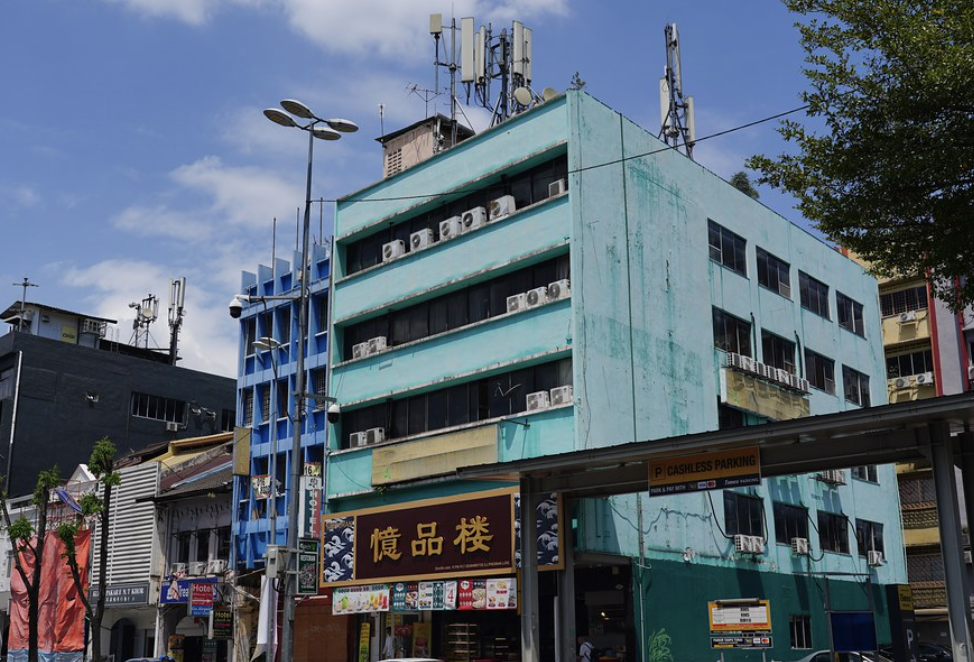
Pudu is one the oldest neighbourhood in Kuala Lumpur
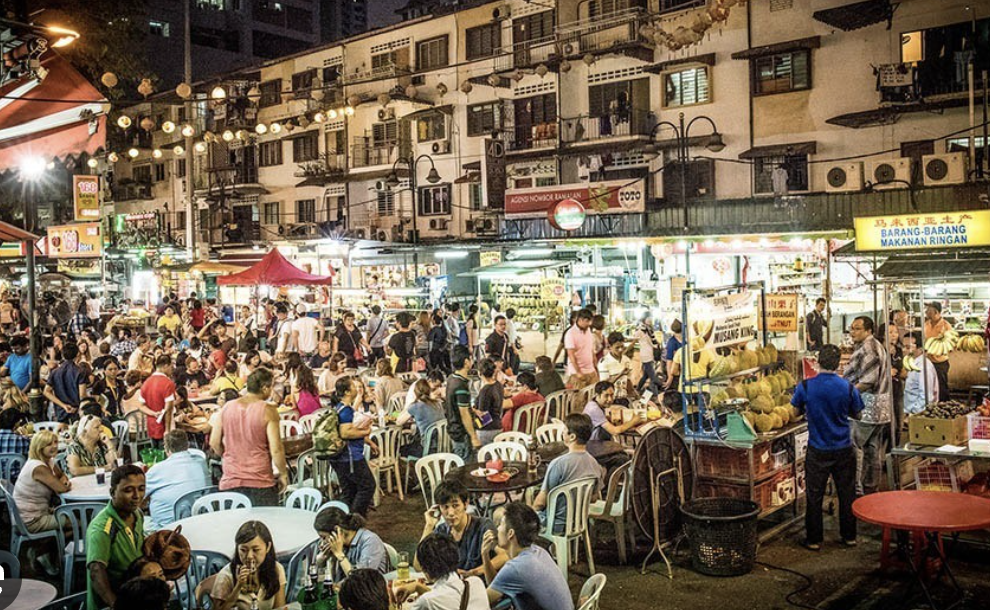
Pudu is one of the most vibrant corner of Kuala Lumpur
History of Pudu
Nestled in the heart of Malaysia’s bustling capital, Pudu is one of Kuala Lumpur’s oldest and most historically significant neighborhoods. Its origins date back to the late 19th century when it was developed as a settlement for tin miners and migrant laborers during the peak of the tin mining boom. The name "Pudu" is believed to have been derived from the Cantonese word Pou Tai, meaning "big pond," referencing the area’s once-swampy terrain. Over time, Pudu evolved into a thriving commercial and residential hub, attracting diverse communities of Chinese, Malay, and Indian settlers who shaped its vibrant cultural and culinary identity.
During the colonial era, Pudu became known for its infamous Pudu Jail, built in 1895, which stood as a grim reminder of British rule until its demolition in the 1990s. The area also housed the iconic Pudu Wet Market, one of the city’s oldest wet markets, which became a central trading spot for fresh produce, meats, and spices. As Kuala Lumpur expanded, Pudu transformed into a bustling urban district, blending old-world charm with modern development. Its streets, lined with pre-war shophouses and traditional eateries, still echo the neighborhood’s rich heritage.
Today, Pudu remains a beloved historical enclave, celebrated for its deep-rooted traditions and legendary street food scene. Landmarks like Pudu Plaza and Imbi Market (now relocated) have left lasting legacies, while newer developments coexist with century-old businesses. Whether it’s the nostalgic charm of its kopitiams or the enduring spirit of its community, Pudu stands as a living testament to Kuala Lumpur’s journey from a humble mining town to a dynamic metropolis. For history buffs and foodies alike, a visit to Pudu is like stepping into a time capsule of Malaysia’s past.
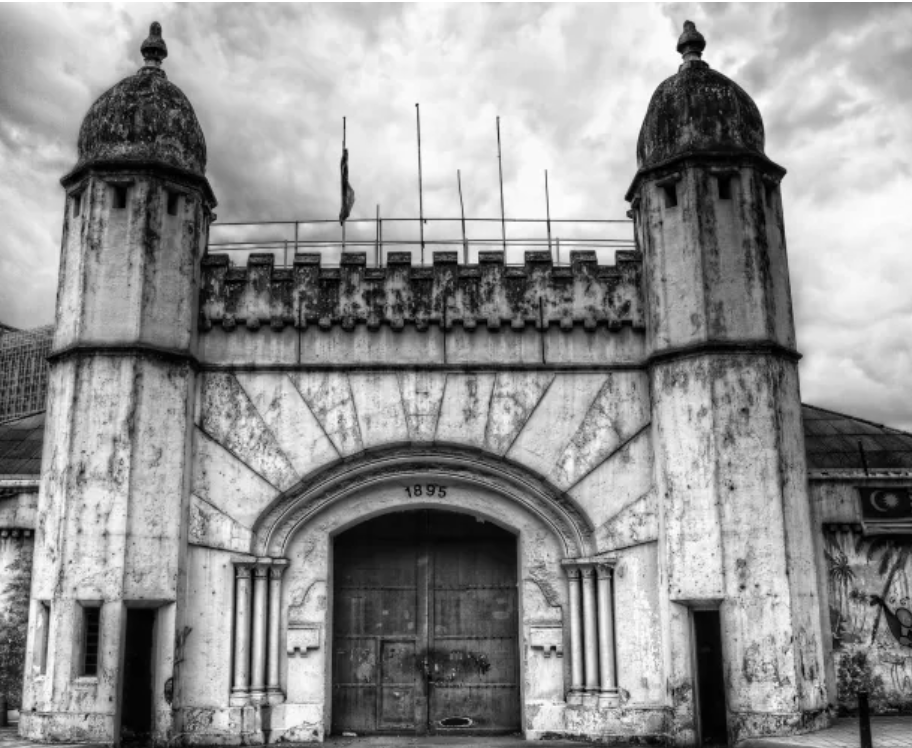
Perhaps the most famous jail in Malaysia - Pudu Jail
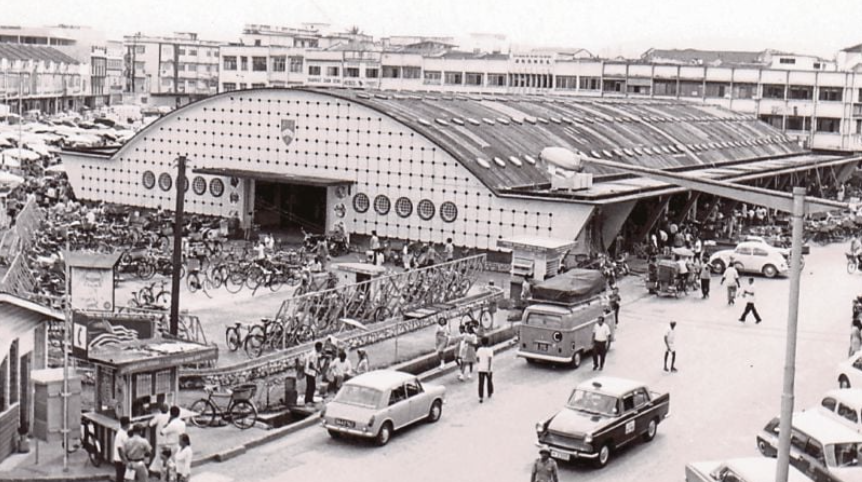
Pudu market one of the oldest in Kuala Lumpur
Stop #1: 168 Wantan Mee & Curry Mee
If you're on the hunt for the ultimate wan tan mee in KL, chances are you’ve heard of Restoran 168 in Pudu. This iconic spot has built a reputation for its silky noodles and rich curry mee, drawing food lovers from all over the city. While the curry mee gets rave reviews, opinions on their *wan tan mee* are split—so we had to try it ourselves and settle the debate once and for all!
Tucked along Jalan Brunei Utara, the restaurant is hard to miss with its bold red signboard proudly displaying "168 燒腊面傢(粥飯)." But here’s a pro tip: if you’re craving their legendary curry mee, come early—like, *really* early. I arrived around 11 AM, only to find it already sold out. Still, the wan tan mee was waiting for us, and we were ready to put it to the test.
This Pudu gem truly serves the best wan tan mee in town. Spoiler: You might want to clear your schedule for a visit! 🍜✨
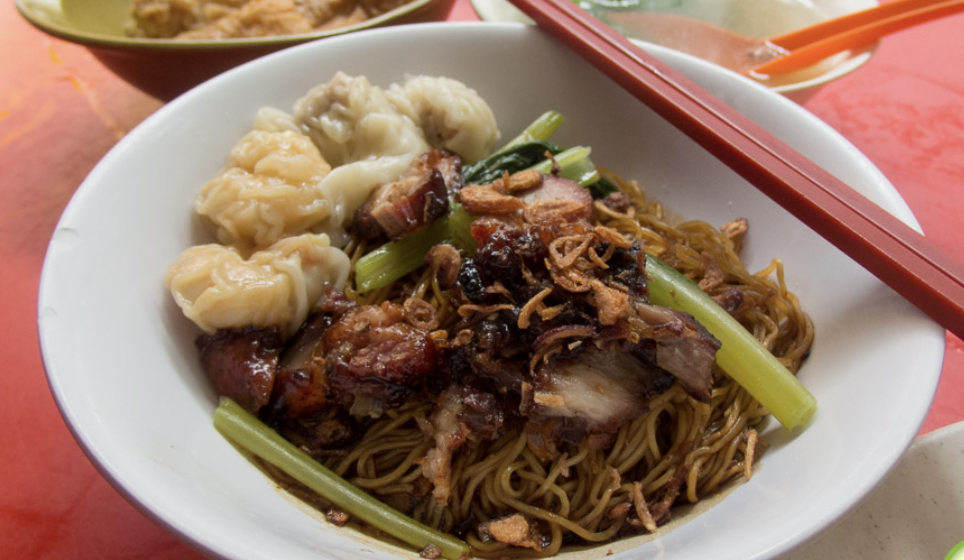
Legendary 168 Wan Tan Mee
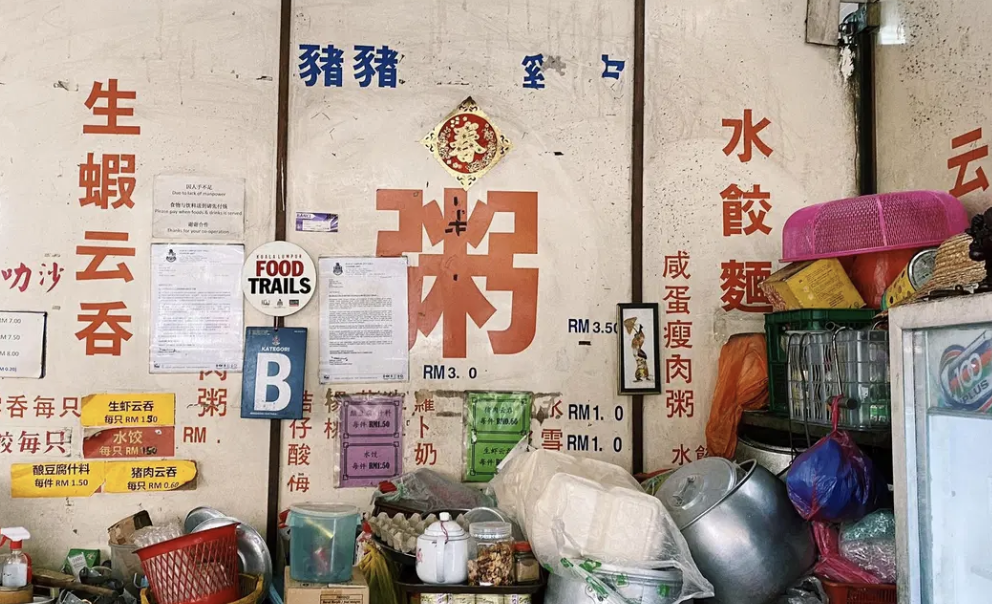
A total Pudu vibe backdrop

Be sure to come early for their curry mee
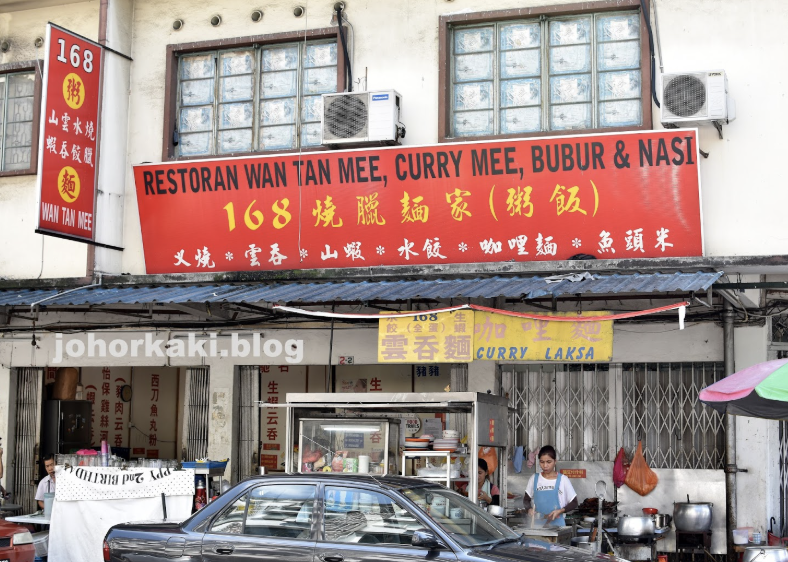
The restaurant is fairy young, about 25 years old
Stop #2. The Littel Eat Store: Where Fish Noodles & Patience Are Served Fresh!
Okay, fish noodle fanatics—gather ‘round! 🐟🍜 You already know I’m obsessed with a good bowl of seafoody, slurpy goodness. Fresh fish? Check. Light yet flavorful broth? Check. That magical "I-just-ate-something-healthy-but-my-taste-buds-are-throwing-a-party" feeling? DOUBLE CHECK. So when y’all screamed, *"GO TRY LITTLE EAT STALL IN PUDU!"—I grabbed my chopsticks and sprinted (fine, fine, I drove… but with enthusiasm*).
Let’s set the scene: Jalan Beruang, Pudu. Picture a humble zinc-roofed roadside stall (because ~ambiance~), with seating that’s… surprisingly not sketchy? Like, it’s clean-ish and comfy-ish—just don’t blame them if you start sweating like you’re in a sauna. 🔥 Pro tip: Wear deodorant. Now, this place plays musical dishes—different menus on different days—but since I’m here for the fish mihun (Fridays & weekends only, mark your calendars!), let’s dive in.
No fancy options here, folks. No "choose-your-own-adventure" noodles or 10 types of fish. Just garupa or tiger garupa (fillet or head, live your truth), one clear soup, and mihun—period. But OH. MY. FISH. The broth? *Chef’s kiss.*The fish? *Fresher than my resolve to start gymming. That sneaky splash of rice wine? I licked the bowl.
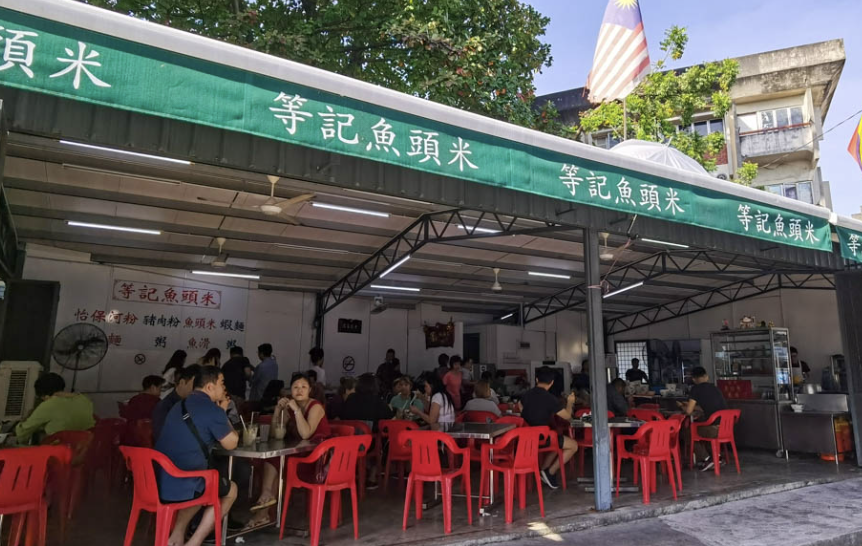
One of the most popular eatery in Pudu
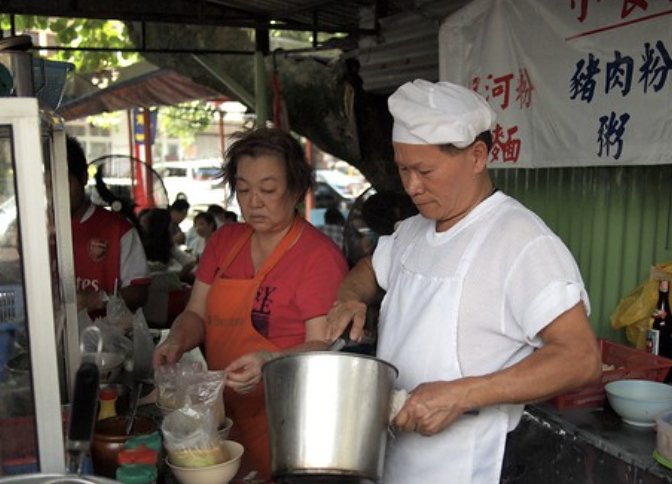
The Restaurant is operated by Mr and Mrs Dang since the 1980s
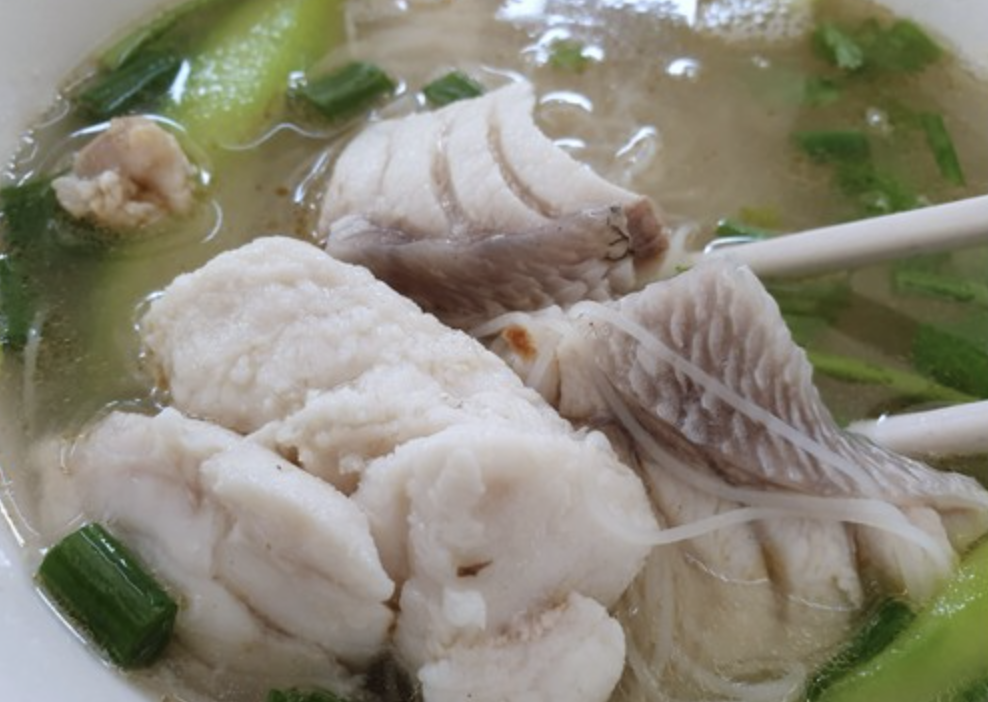
Different noodles, different days is what you get here
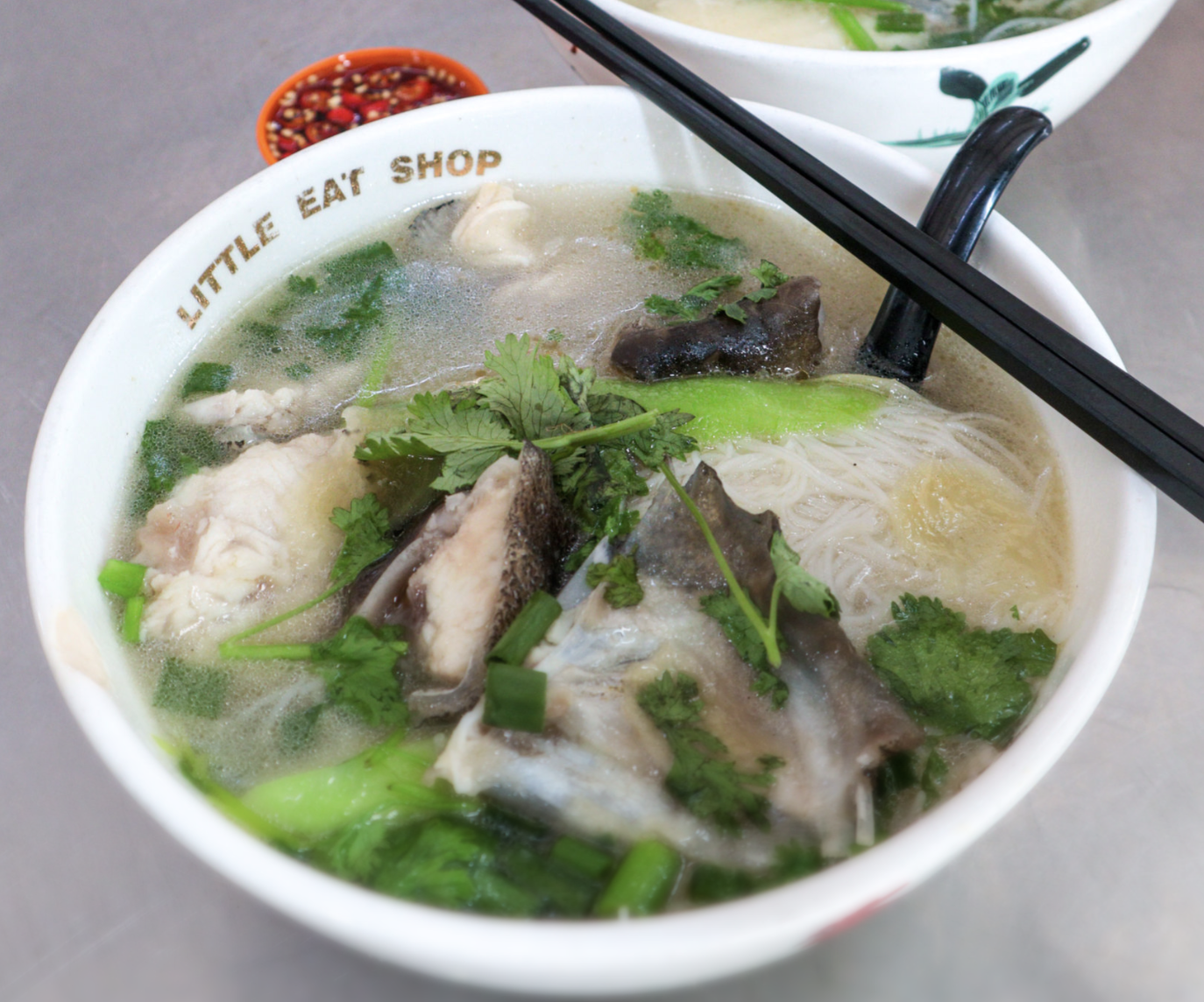
grouper fish fillet soup noodle about 36 ringgit
Stop #3. Chun Kei Tai Bu Noodle - a must eat!
Hakka mee, also known as tai bu mee, is a representative dish among the Hakka community in Malaysia. I have been a customer at Chun Kei Tai Bu Noodle Restaurant at Pudu since 20 years ago.
This eatery is well-known among locals across generations; it holds childhood memories for many. Established in 1931, Chun Kei Tai Bu Noodle Restaurant boasts an impressive 93-year legacy— it’s even older than Malaysia! It’s amazing to think that this place has witnessed the independence of the country. According to the owners, the business has now been passed down to the 4th generation.
Most of the patrons are retired uncles and aunties, giving it a very down-to-earth vibe. It felt like a perfect spot for some authentic local flavours. My stomach was already rumbling!
The noodles come in 3 varieties: kolo (white sauce), soup, and black sauce. Notably, the soup version uses silver needle noodles, which are only available on Fridays and Saturdays. With that option off the table, I was left with only 2 choices and I decided to go for the signature Kolo Hakka Tai Bu Noodle (RM9).
The bed of noodles was topped with a generous blob of minced meat, adorned with some char siew, vegetables, and spring onions. The noodles somewhat resembled the one in wanton mee, but these were slightly thicker.
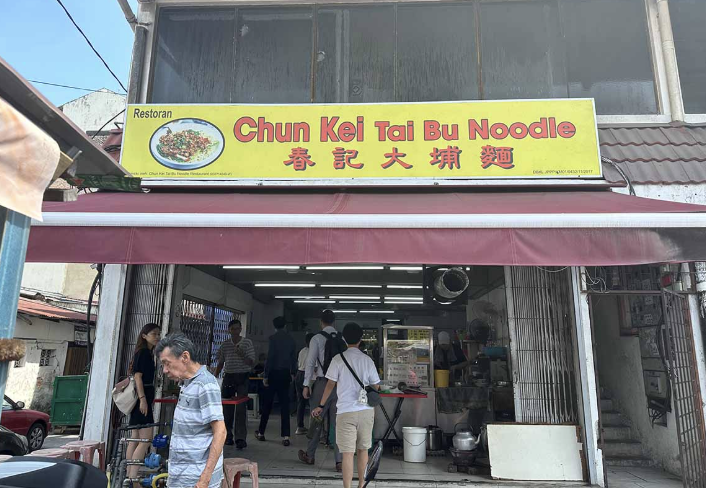
Chun Kei Tai Bu Noodle Restaurant is over 100 years old
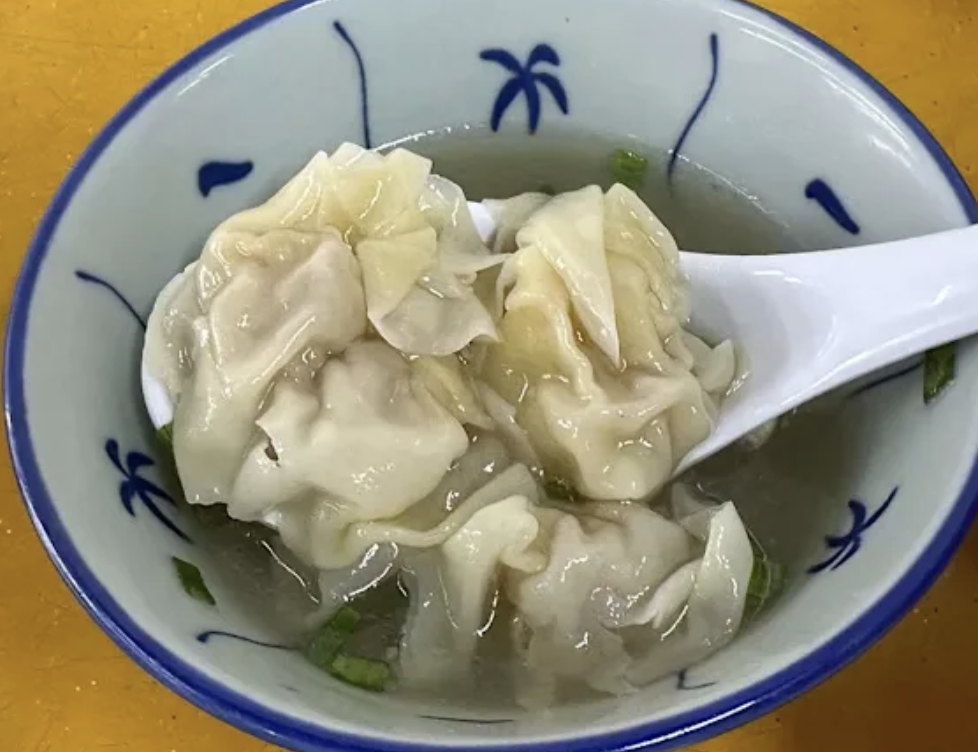
Chun Kei Tai Bu Noodle Restaurant Wan Tan is amazing
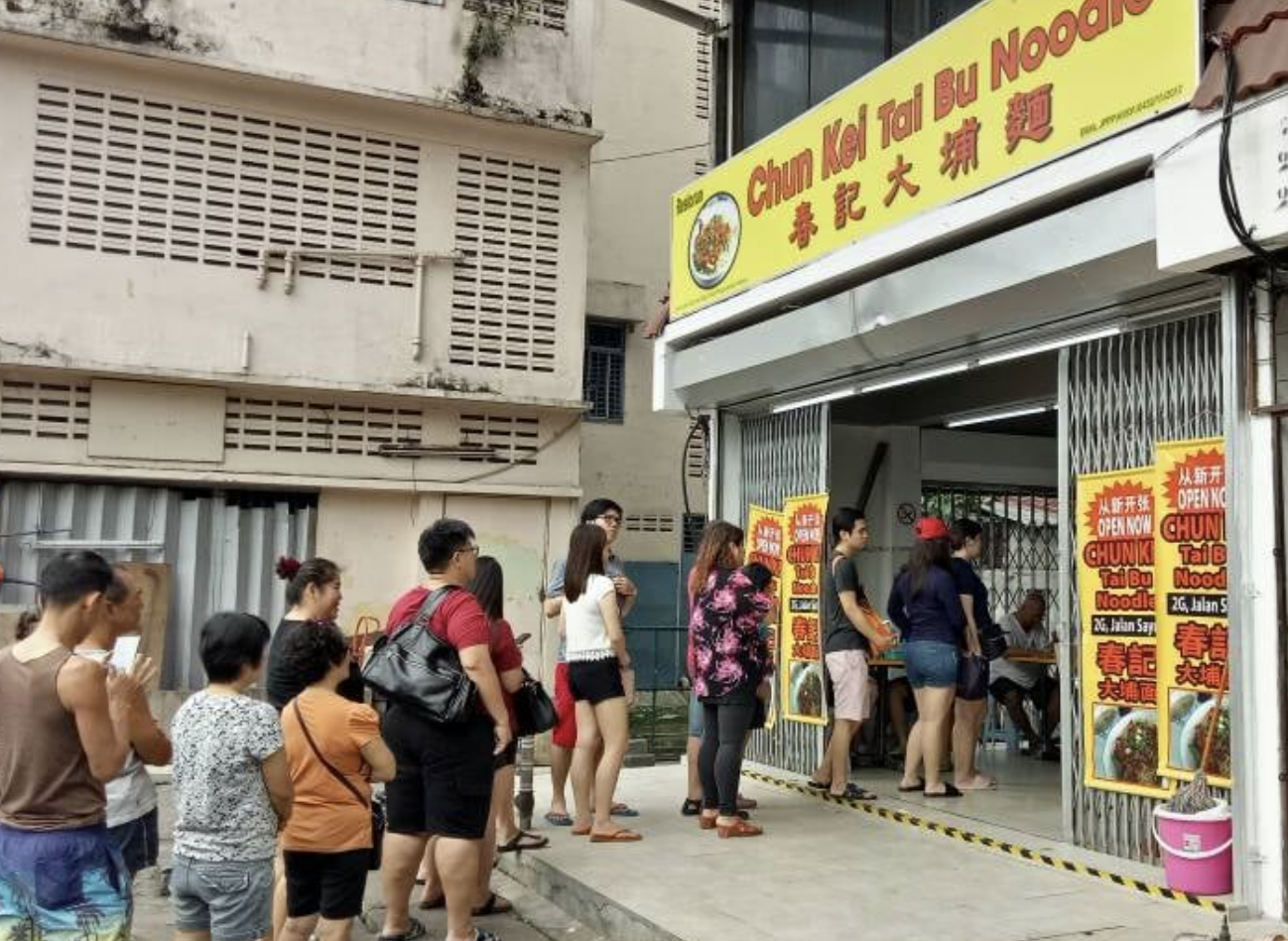
Crowds built every day at Chun Kei Tai Bu Noodle Restaurant
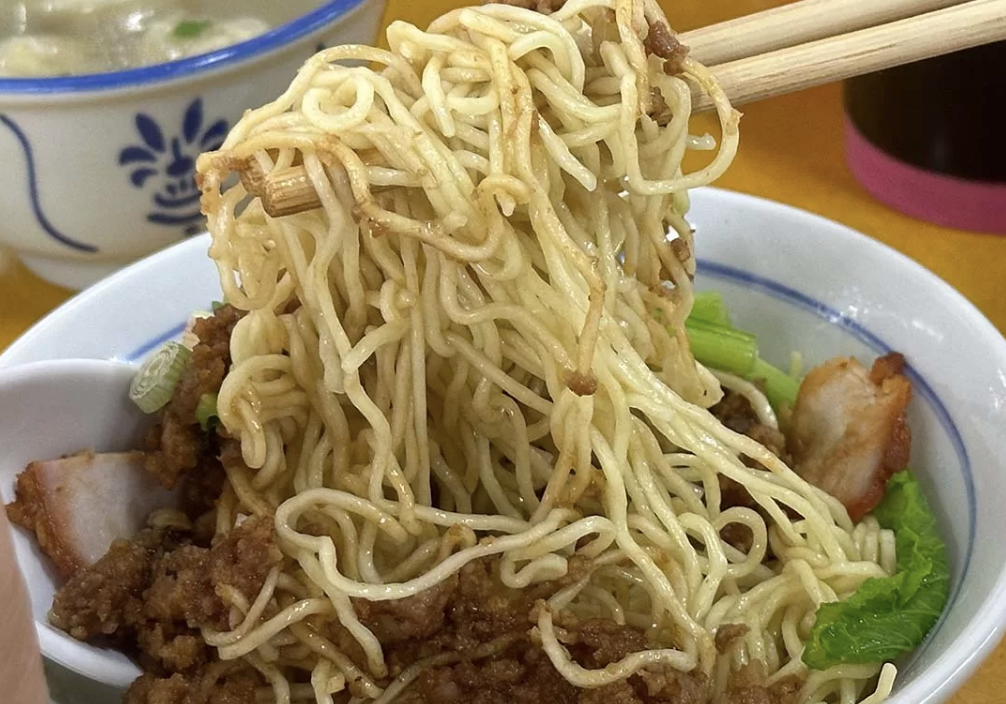
Chun Kei Tai Bu Noodle is an icon in Pudu
Stop #4. Heun Kee Claypot Chicken Rice: Pudu’s Smoky, Crispy, Legendary Comfort Food Obsession
Let’s talk about the claypot chicken rice that makes KL foodies weak in the knees—Heun Kee. This isn’t just a meal; it’s a ritual. Imagine: a scorching-hot claypot arrives at your table, its lid lifted to reveal a cloud of smoky perfume—charcoal-kissed rice, caramelized at the edges, hiding juicy marinated chicken, slices of sweet Chinese sausage, and that golden crispy base we all secretly fight over. This is the magic that’s kept this place packed for decades.
What’s the secret? Old-school hustle. Every claypot is cooked to order over roaring charcoal, so patience is non-negotiable (pro tip: go early, or bring snacks to curb your hunger-induced rage). The result? A textural symphony—tender chicken, savory-sweet lap cheong, and that crackle of toasted rice at the bottom. Drizzle on their dark soy-chili combo, mix it all up, and prepare for a religious food moment.
Heun Kee isn’t just a meal; it’s a KL institution. Whether you’re a first-timer or a lifelong addict, this is the spot for claypot rice that tastes like tradition. Open lunch till dinner, but come hungry—and maybe with a fan (that charcoal heat is *real*). **P.S.** Your Instagram feed *needs* this. #WorthTheWait

Heun Kee Claypot Chicken Rice 禤記瓦煲雞飯 located at Jalan Pudu is one of the popular claypot rice to go in Kuala Lumpur.
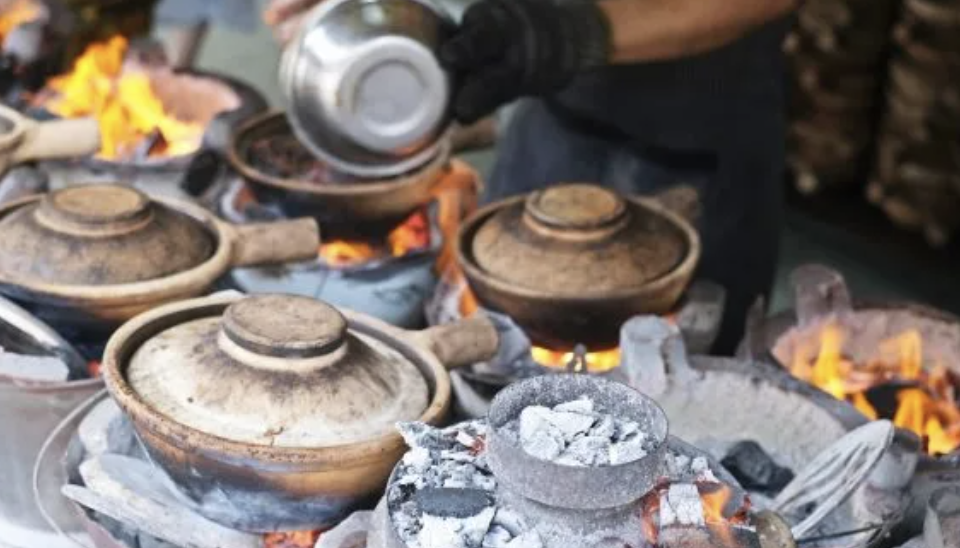
Established since 1985 by Madam Heun May Lan, Heun Kee Claypot Chicken Rice has been awarded Michelin Bib Gourmand
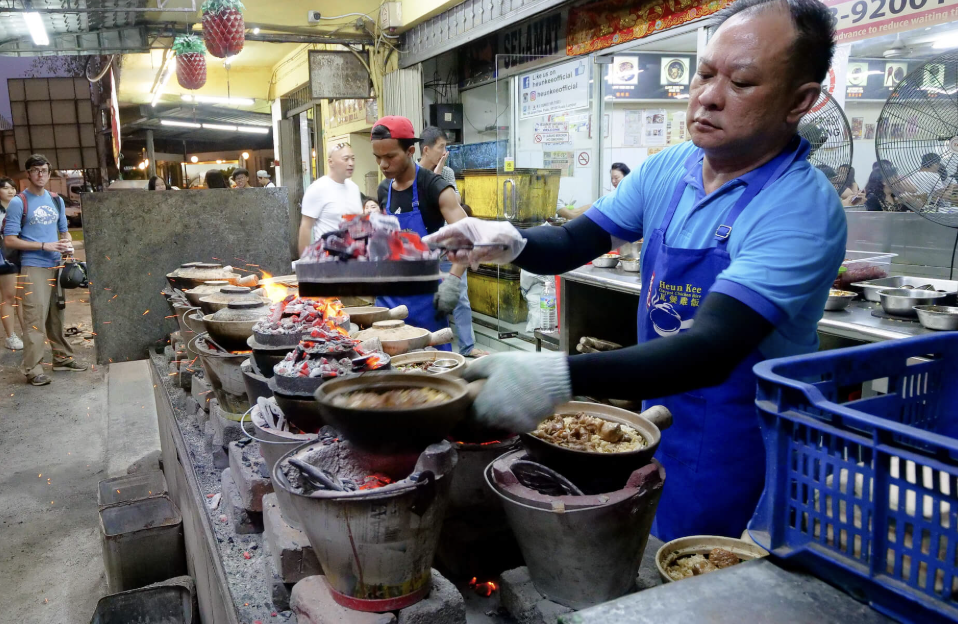
Heun Kee still uses traditional charcoal cooking to prepare claypot chicken rice. They use high grade rice
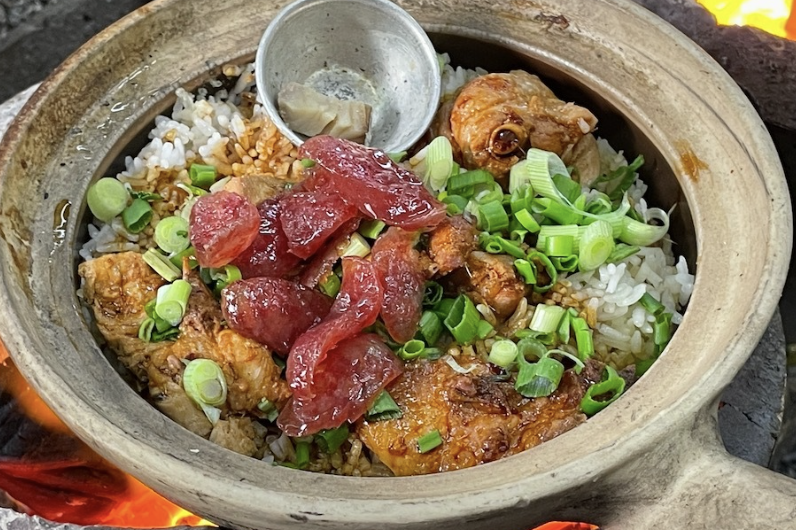
Perfectly seasoned chicken with the classic soy sauce and oyster sauce marinade. Not forgetting the Chinese waxed sausage as well. Simply comforting and divine!
Stop #5 Kan Brothers Ruby Dessert House
This dessert shop is currently being run by the fifth generation brothers of Vincent and Dickson Kan, and specialises in Chinese sesame seed desserts (aka chi ma wu).
Operating since 1927, Restoran Ruby is famous for its sesame seed paste that is grounded daily with a stone grain mill. Tucked in a humble corner of KL, Restoran Kan Brothers Ruby Dessert House is a go-to spot for lovers of traditional Chinese sweet soups. We stopped by after hearing good things — and it didn’t disappoint.
The menu focuses on old-school favorites like black sesame paste, peanut paste, and almond paste. We tried all three, and each bowl was rich, smooth, and packed with nostalgic flavor. The black sesame was especially fragrant and had just the right amount of sweetness, while the peanut paste was thick and hearty. The almond paste, with its distinct aroma, was velvety and comforting — a real classic.
The setting is simple and no-frills, but the staff were friendly and service was fast. It’s a small shop that clearly prioritizes tradition and quality.
The desserts were a good end to our meal on that cold evening in Pudu.


